ݮ

Healthcare News & Views

New Stanford Prehab Study Highlights High Patient Activation & Engagement Rates with ݮ

December 20, 2021
By
seamless

Since 2017, Stanford Health Care has partnered with ݮ on a number of initiatives, including the Colorectal Surgery program studying the use of ݮ to deliver Prehabilitation. Prior to surgery, patients at Stanford are enrolled into a “” program – a preoperative program dedicated to helping patients thrive after surgery via proven preparation protocols such as breathing exercises, mindset training and diet regimen. Recently, the Colorectal team at Stanford published a study revealing “.” The study, published in the Journal of Gastrointestinal Surgery, examines whether existing health beliefs are associated with engagement and adherence in a home-based online prehabilitation program.


Patients undergoing abdominal colorectal operations were enrolled in ݮ so they could receive specific nutrition and exercise education. Using ݮ, the team also tracked the patient’s baseline health beliefs and mindsets, daily exercises, and weekly diet recalls. The team used multivariable binary logistic regression to predict engagement, multivariable ordinary least squares regression to predict diet adherence, and generalized linear models with a binomial distribution to predict engagement and exercise adherence.

Here are the key results from the study:

  • 227 patients enrolled into ݮ
  • 75% patients activated & 75% patients “used” the program
  • Engagement with the program was unrelated to health beliefs or mindsets
  • Positive diet-related health beliefs and a growth mindset were associated with positive diet behaviors and inversely associated with negative diet behaviors
  • Exercise-related health beliefs and mindsets were not associated with exercise adherence

Check out the full study in the Journal of Gastrointestinal Surgery.

New Stanford Prehab Study Highlights High Patient Activation & Engagement Rates with ݮ

Posted by:
seamless
on
December 20, 2021

Since 2017, Stanford Health Care has partnered with ݮ on a number of initiatives, including the Colorectal Surgery program studying the use of ݮ to deliver Prehabilitation. Prior to surgery, patients at Stanford are enrolled into a “” program – a preoperative program dedicated to helping patients thrive after surgery via proven preparation protocols such as breathing exercises, mindset training and diet regimen. Recently, the Colorectal team at Stanford published a study revealing “.” The study, published in the Journal of Gastrointestinal Surgery, examines whether existing health beliefs are associated with engagement and adherence in a home-based online prehabilitation program.


Patients undergoing abdominal colorectal operations were enrolled in ݮ so they could receive specific nutrition and exercise education. Using ݮ, the team also tracked the patient’s baseline health beliefs and mindsets, daily exercises, and weekly diet recalls. The team used multivariable binary logistic regression to predict engagement, multivariable ordinary least squares regression to predict diet adherence, and generalized linear models with a binomial distribution to predict engagement and exercise adherence.

Here are the key results from the study:

  • 227 patients enrolled into ݮ
  • 75% patients activated & 75% patients “used” the program
  • Engagement with the program was unrelated to health beliefs or mindsets
  • Positive diet-related health beliefs and a growth mindset were associated with positive diet behaviors and inversely associated with negative diet behaviors
  • Exercise-related health beliefs and mindsets were not associated with exercise adherence

Check out the full study in the Journal of Gastrointestinal Surgery.

Recent news from ݮ

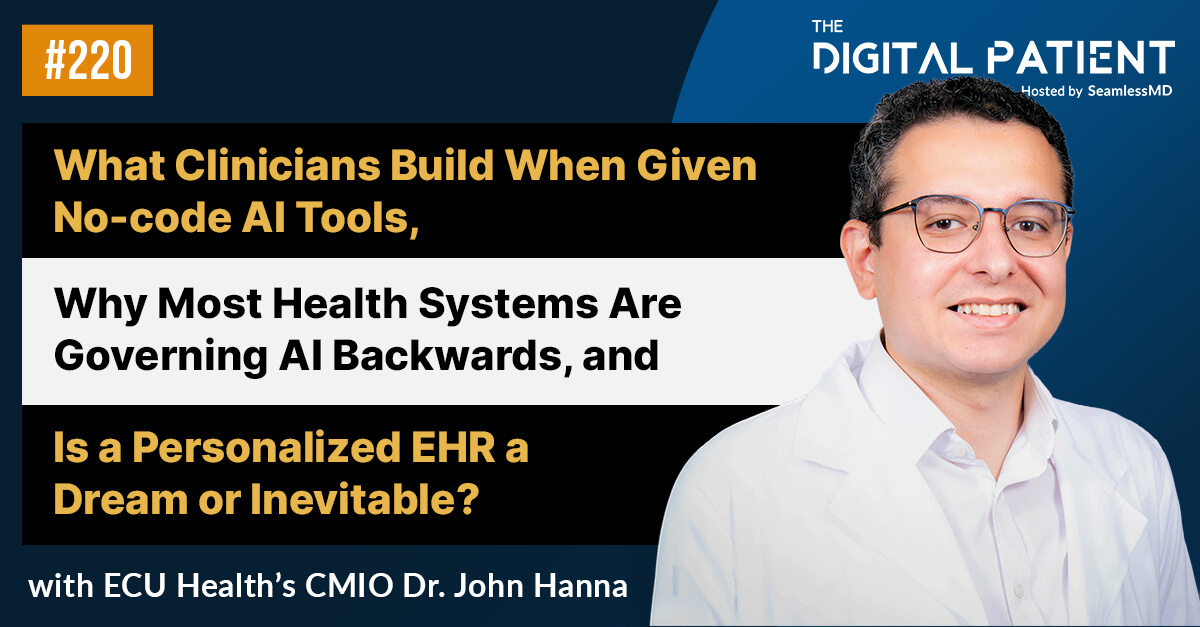
TDP 220: ECU Health's CMIO Dr. John Hanna: What Clinicians Build When Given No-code AI Tools, Why Most Health Systems Are Governing AI Backwards, and Is a Personalized EHR a Dream or Inevitable?
February 25, 2026

TDP 220: ECU Health's CMIO Dr. John Hanna: What Clinicians Build When Given No-code AI Tools, Why Most Health Systems Are Governing AI Backwards, and Is a Personalized EHR a Dream or Inevitable?

Learn More
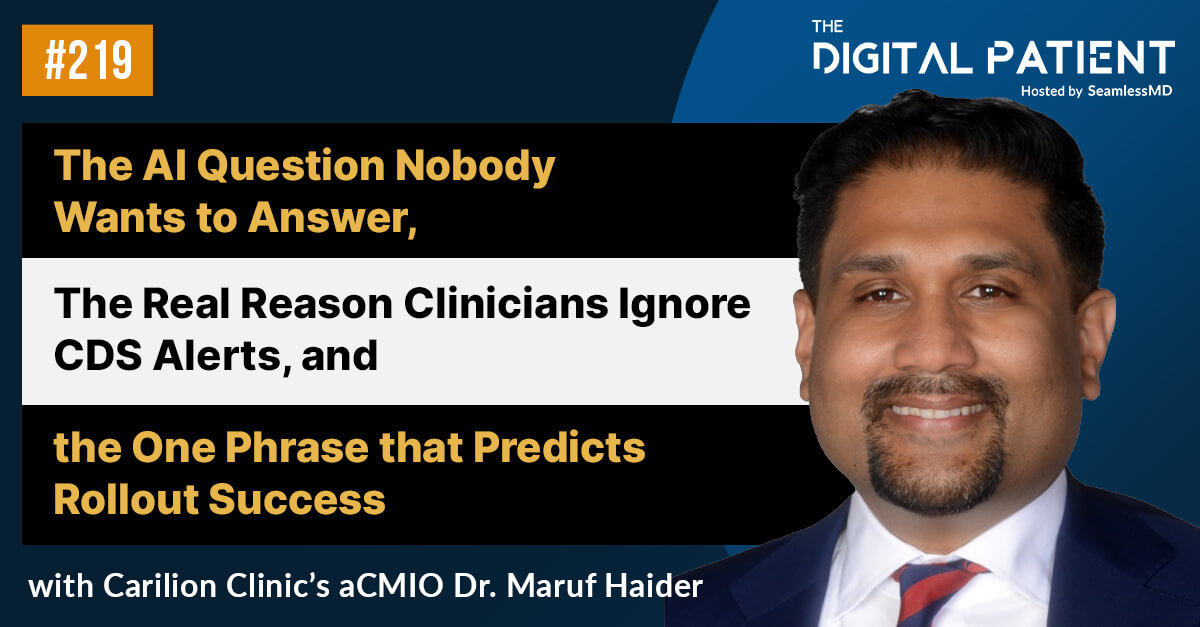
TDP 219: Carilion Clinic’s ACMIO Dr. Maruf Haider: The AI Question Nobody Wants to Answer, The Real Reason Clinicians Ignore CDS Alerts, and the One Phrase that Predicts Rollout Success
February 12, 2026

TDP 219: Carilion Clinic’s ACMIO Dr. Maruf Haider: The AI Question Nobody Wants to Answer, The Real Reason Clinicians Ignore CDS Alerts, and the One Phrase that Predicts Rollout Success

Learn More
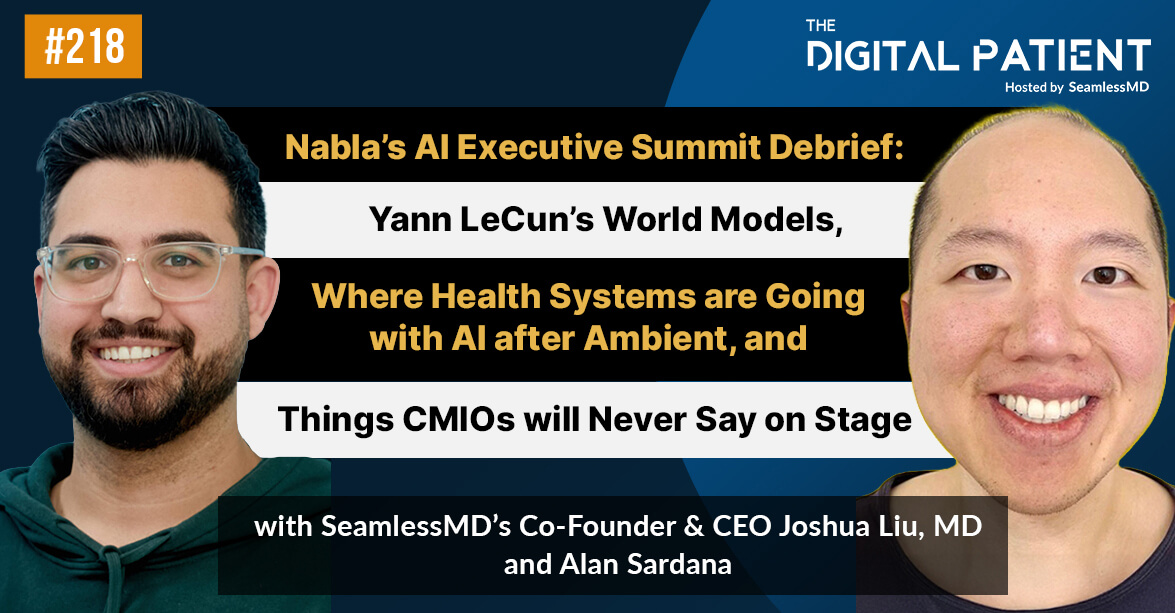
TDP 218: Nabla’s AI Executive Summit Debrief: Yann LeCun’s World Models, Where Health Systems are Going with AI after Ambient, and Things CMIOs will Never Say on Stage
February 5, 2026

TDP 218: Nabla’s AI Executive Summit Debrief: Yann LeCun’s World Models, Where Health Systems are Going with AI after Ambient, and Things CMIOs will Never Say on Stage

Learn More